
The lives and habits of manta rays: Dawn Murray interviews Martina Wing
This episode is not like the others: it's a two-hour deep dive into everything manta rays with two ocean experts who genuinely geek out about the gentle giants of the ocean. Marine biologist Dawn Murray interviews Martina Wing about 27 years of hands-on experience with Hawaii's reef manta rays, covering behavior, biology, conservation challenges, and the mysteries we still haven't solved.
This conversation doesn't shy away from technical details or poignant stories. Dawn asks the questions that someone with her background wants answered, and Martina shares observations that only come from thousands of hours in the water with these creatures.
Watch the episode below, watch it on YouTube for clickable chapters/timestamps - or scroll down for a full summary and additional resources.



Below, we've added links to different places where you can find more information about the topics Dawn and Martina touched on; most of these are articles Martina and her team wrote on MantaRayAdvocates.com.
Martina's origin story: from deep grief to manta rays
In 1998, Martina lost her first husband to leukemia at age 29. Trying to find her way forward, she traveled to Kona, where a night dive with six manta rays changed everything. Learn more about what makes swimming with manta rays so transformative.
Martina describes seeing manta rays for the first time, including Big Bertha, a 14-foot female known since 1992 who remains one of the most frequently sighted individuals on the Kona coast.
She also shares how purchasing a video of her first manta dive led to meeting Jim, falling in love, and building a life together in Hawaii.
From underwater videographer to shore-based operator
For 17 years, Martina and Jim filmed divers with manta rays at two locations along the Kona coast.
⇒ Learn about the three manta ray viewing sites in Kona.
The business model was selling custom videos to guests, but by 2012-2013, the viewing sites had become too crowded to maintain quality filming, and GoPros and waterproof cell phones were changing the market. In 2015, they pivoted to a shore-based activity.
Martina explains her intentional business decision to reduce ecological impact and create more accessible, conservation-focused experiences through beach access at Kauna’oa Bay rather than boat-based operations.
She discusses the importance of briefings, setting expectations, and educating people about animal encounters in the wild. She maintains strict prerequisites, including swimming ability and minimum age requirements (12 years old), to ensure both participant safety and manta ray protection.
⇒ Read more about snorkeling tours with Manta Ray Advocates (and prerequisites)
⇒ Check out our Frequently Asked Questions.
The challenges of manta ray tourism in Hawaii
In recent times, up to 200 people can be in the water at popular viewing sites on busy nights. Martina discusses the impact of overcrowding and the urgent need for regulation to protect these vulnerable animals.
In 2012, the US Coast Guard and the Department of Land and Natural Resources called on stakeholders to develop voluntary operator standards. However, despite years of effort, comprehensive mandatory rules still don't exist. Martina explains the current situation, the challenges of implementing regulations, and what it means for manta ray protection.
⇒ Read more about the voluntary standards for manta tour operators.
[55:20] "High tide floats all boats" philosophy: Martina believes in cooperation over competition in the manta ray industry, even supporting operators with different approaches, because the manta ray viewing experience thrives when everyone works together.
⇒ How behavioral conditioning leads manta rays to feed at manta viewing sites
⇒ The three manta ray viewing sites in Kona
The campfire method: The (ideal) coordinated lighting setup used at viewing sites where lights are positioned together to attract plankton, with divers arranged around the illuminated area on the bottom and snorkelers floating on the surface above.
Identifying and naming individual manta rays
Martina describes the process of recognizing manta rays by their unique belly patterns, similar to human fingerprints. Through 27 years of filming and observation, she's learned to identify individuals by sight, understanding their personalities, trust levels, and movement patterns.
⇒ Learn how manta rays are identified
⇒ Sighting Statistics of manta rays along the Kona Coast, 2009-2014
⇒ Catalog of Manta Sightings from Maui
She explains her naming system and the database of approximately 365 individual manta rays tracked around the Big Island since the early 1990s. If you photograph a new manta ray and submit it to the database, you get the naming rights. Names often have stories behind them - like Ola'i Ray (meaning Earthquake in Hawaiian), named after being spotted the night Martina heard an earthquake underwater.
⇒ Read about how manta rays get their names
⇒ Check out the Manta Ray Advocates manta library
Manta ray swimming and filter-feeding behavior
Martina explains the intricate techniques manta rays use to capture plankton, including barrel rolls and various feeding patterns. Manta rays must keep moving to push water over their gills for oxygenation—they cannot stop, go backwards, or rest on the sand. When feeding in plankton-rich areas near lights, trusted individuals will perform barrel rolls, swimming belly-up just beneath the surface to maximize food intake in the shortest time possible.
⇒ Read about the 8 unique techniques mantas use for filter-feeding.
Manta ray birth and reproduction
Martina explains manta ray mating, gestation, and the many mysteries that remain unsolved. Females carry one pup at a time for 12-13 months in an ovoviviparous pregnancy (the pup develops in an egg inside the mother and is born live). It takes 10-15 years for manta rays to reach sexual maturity, with 2-4 years between pregnancies - making them extremely vulnerable to population decline.
⇒ Learn how manta rays reproduce
⇒ Read all about baby manta ray development
⇒ Are manta rays fish or mammals?
Martina shares the story of tracking pregnant females like Big Bertha and W, describing the visible belly bulge as the pup grows and how males chase pregnant females in "manta trains." She also tells the special story of Kamala Ray, identified as a newborn pup with visible fetal folds still clear on her tiny body, now grown to six feet and exploring the coastline.
⇒ The Diary of Big Bertha's Pregnancy
⇒ The story of Kamala Ray, from pup to young adulthood
⇒ Roberto Fabbri's photos of a manta ray birth
Cleaning stations and manta ray health
About the role of cleaning stations, where smaller fish remove parasites from manta rays. Martina has observed manta rays at cleaning stations during daytime dives and discusses how these interactions contribute to manta ray health.
The magic of manta ray encounters
Dawn and Martina discuss why swimming with manta rays creates such profound experiences compared to other marine animals, and how their size, grace, and peaceful presence create transformative encounters that stay with people for life.
Martina shares what psychologist Joy told her: "Manta rays have a superpower, and that superpower is pushing trauma forward." They help people process grief and find new purpose. For Martina, that first manta dive in 1998 while grieving her first husband's death, became a glimmer of light pointing toward a new path.
Dawn's own transformative experience: Dawn reflects on her manta swim and how she thinks about these animals when she can't sleep, reminding herself that just as the mantas keep swimming through the ocean looking for their next plankton patch, she too can keep moving forward.
Creating meaningful change through manta encounters: Both experts discuss how transformative wildlife experiences can lead to conservation action and environmental engagement.
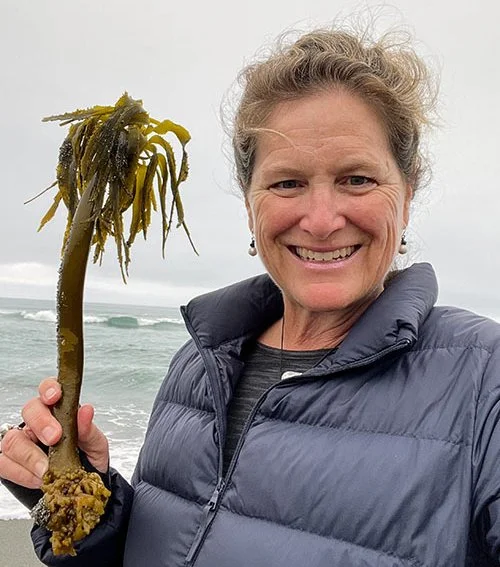
About today's interviewer: Dawn Murray
Professor Dawn Murray, M.S., Ph.D. is a marine biologist who teaches environmental science at Antioch University. She leads nature trips globally, co-created NOAA's LiMPETS community science program, advises the Northern Chumash Tribal Council, and helped establish the Chumash Heritage National Marine Sanctuary in 2025. Martina and Dawn are currently making plans to reverse roles, so Martina can interview Dawn and learn more about the fascinating things she does.
Learn more about manta rays:
Resources and additional links:
Meet the mantas of Kona: the MRA Manta Ray Library
The difference between reef mantas, giant manta rays, and the third species: Atlantic mantas
Conservation and protection:
If you're planning to swim with manta rays anywhere in the world, take time to research operators who prioritize conservation and education over profit. The choices we make as tourists directly impact these animals and their habitat.