
Beyond the brochure: traveling with intention, insight, and respect
Chris Gorman and his wife live in landlocked Nebraska, but the ocean, especially in Hawaii, has become a place they return to when they need to recharge. In this episode, Chris shares how he uses research and reviews to choose experiences carefully, why swimming with manta rays came at exactly the right moment in a stressful season, and how Hawaiian culture has influenced the way he thinks about sustainability, slowing down, and bringing a more intentional mindset back home.
Watch the episode below, watch it on YouTube for clickable chapters/timestamps - or scroll down for a full summary and additional resources.



Episode summary
What began as a long-anticipated manta ray swim became a moment of real calm for Chris Gorman and his wife during a stressful period in their lives. On the Big Island, the experience of being in the water at night, watching manta rays glide past, slowed everything down in a way Chris didn’t expect.
Chris explains how that experience fits with his broader perspective on planning trips and responsible travel. He’s deliberate about how he researches operators and experiences, and shares how he uses online reviews strategically to uncover the real story about the places he wants to visit.
Chris talks about going beyond the standard tourist checklist and how visiting the islands with his friend Milani, who is from the Big Island, allowed him to experience Hawaii through a local’s perspective.
Martina and Chris discuss what indigenous cultures can teach us about sustainability, drawing parallels between Native American traditions and Hawaiian practices built on resourcefulness and respect for place. Chris explains what he carries home from his travels, including a deeper awareness of the planet and the everyday choices he pays more attention to once he’s back in Nebraska.
The conversation closes on the idea that Aloha is more than a greeting. It’s a way of living rooted in responsibility, care, and the principle of “pono” — doing things the right way, with respect for people, place, and resources.
Takeaways:
Approaching travel sustainably and from a local’s perspective can create richer, more meaningful experiences.
Learning to cut through online noise helps you focus on experiences that truly matter.
Choosing fewer, higher-quality experiences often leads to deeper trust, connection, and lasting memories.
Lessons from travel - like slowing down, consuming thoughtfully, and being more mindful - can be carried into everyday life at home.
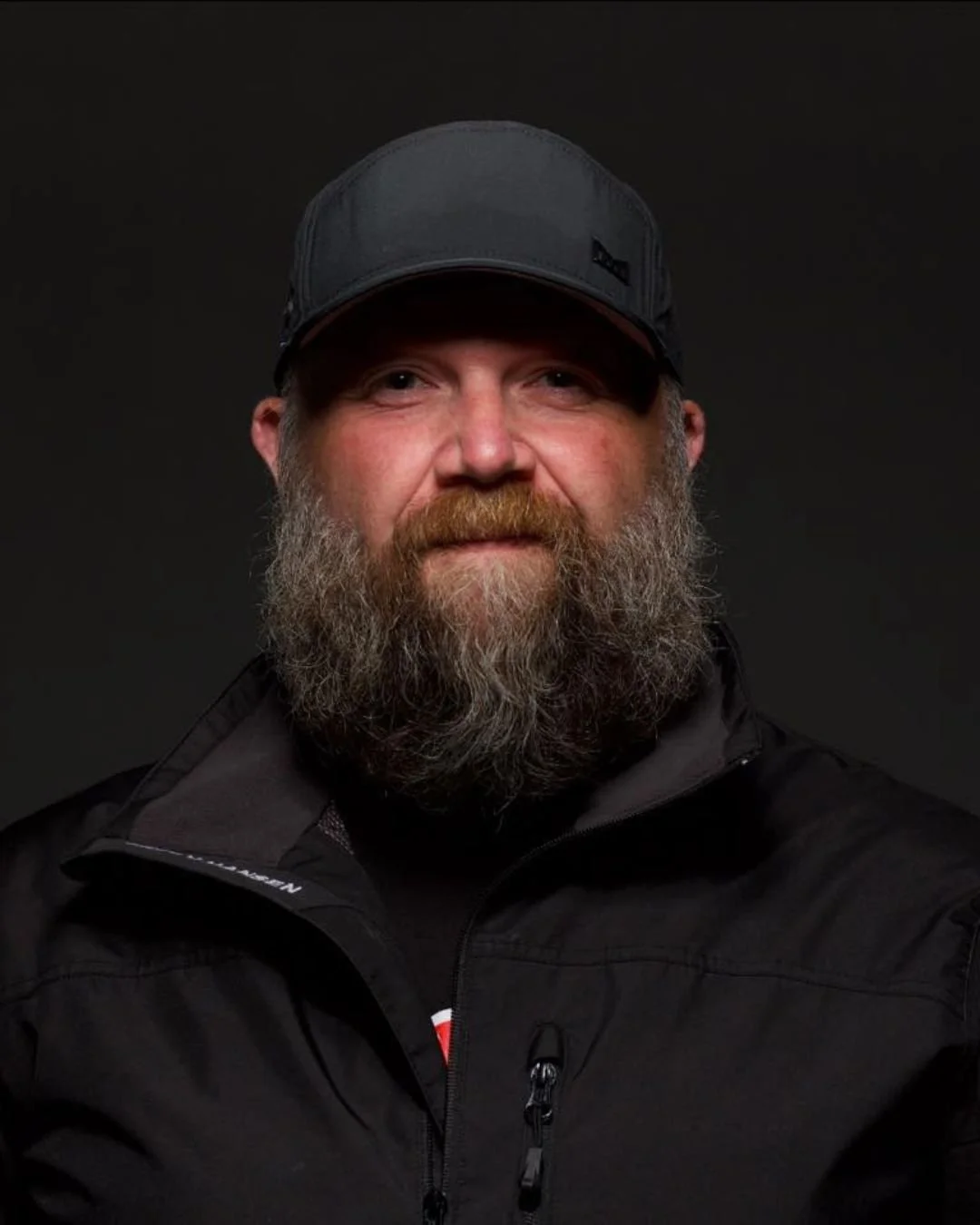
Today’s guest: Christopher Gorman
Christopher Gorman is a lifelong resident of the most landlocked State in the U.S., Nebraska. He is the Senior Vice President for a Media, Marketing, and Entertainment agency called Hurrdat. Along with his wife and two cats, he loves travel and adventure, which is how he met Martina through an incredible experience with the mantas. In his free time, he loves boxing and throwing pottery.
Connect with Chris on Instagram.
Resources from this episode:
Talk Story Bookstore (Kauai) — Independent bookstore Chris mentions as a meaningful stop during his travels in Hawaii
Pidgin (Hawaiian Creole English) — The locally rooted language Chris references, blending English with Hawaiian and other influences
Aloha Spirit — A Hawaiian value system centered on kindness, respect, balance, and living in harmony with others and the environment
The Pono Pledge — How Manta Ray Advocates honor pono in practice, building on the idea discussed in this episode
Kukui nuts — Traditional Hawaiian nuts often used in leis to mark meaningful life events and milestones
Classical conditioning & manta rays — Background on how manta rays respond to light without being fed, reinforcing sustainable viewing practices discussed in the episode
Hurrdat — Media, marketing, and entertainment agency where Chris is Senior Vice President